The Subscription Backlash: Why “Netflix for Listings” Fails Without Trust
The flat-fee “Netflix for Listings” concept isn’t new in Malaysia. Property portals have been selling subscription-based listing packages for nearly two decades. 100% commission payout charging desk fees have existed just as long.
So the idea of “pay a fixed fee instead of a commission” is not a disruption — it’s a recycled model that reappears every few years under a new marketing label.
The real question isn’t:
“Is this model new?”
It’s:
“Why has every version of it failed to replace the commission-based agency model?”
The answer is simple:
Flat-fee pricing breaks the core economic alignment that makes real estate work. It tries to replace a performance-based, fiduciary relationship with a prepaid, low-trust transaction — and consumers feel the difference immediately.
Selling a property is not a passive subscription product. It is a high-stakes negotiation where the seller is not buying a listing — they are buying someone whose incentives are welded to their outcome.
The Flawed Logic: How Low Cost Destroys High Trust
The failure of the subscription model begins with its impact on the incentive structure between agent and seller.
1. The Broken Alignment of Success
A traditional commission is a shared-success mechanism. The agent only gets paid when the seller gets paid, and the agent’s earnings rise as the final sale price rises.
Aligned incentives = aligned effort.
The subscription model flips this. The agency collects its fee upfront, regardless of whether the property sells, or at what price.
The seller absorbs all the risk.
Example: A homeowner selling a RM950,000 condo in Mont Kiara isn’t afraid of the RM18,000 commission. They’re afraid of selling it for RM910,000 because no one fought for them. In a high-stakes game, the seller needs a negotiator — not a portal manager.
2. The “Set-and-Forget” Service Perception
Netflix is passive consumption. Selling property requires active, relentless effort. A low, fixed fee signals low commitment. When the seller pays RM99 upfront, they wonder:
“Am I now just one of 2,000 listings this agency has already been paid for?”
Trust isn’t built on a price tag. It’s built on visible effort, urgency, and accountability.
3. The Illusion of Choice — and the Burden Shift
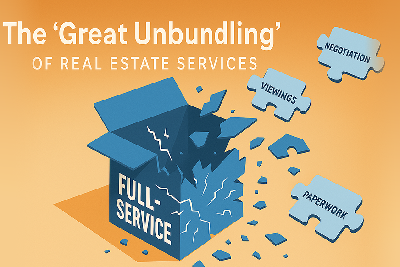
Flat-fee models often claim to “give control back to the seller.” In reality, they push the hardest work back onto the homeowner:
- Finding buyers
- Managing viewings
- Negotiating price gaps
- Chasing lawyers and loan officers
This is not empowerment. It is a disguised transfer of workload — from expert to amateur.
The Three Structural Failures of the Flat-Fee Model
| Failure Type | How It Shows Up |
|---|---|
| Incentive Failure | The agent is paid even if the property doesn’t sell, or sells below market value. |
| Trust Failure | Low upfront fee signals low effort and low commitment. |
| Burden Failure | Core tasks (viewings, negotiation, coordination) shift back to the seller. |
The Path Forward: Realigning the Model with Trust
The backlash isn’t against new pricing. It’s against low-effort service hiding behind low-cost marketing.
A subscription-inspired model can work — but only if it restores alignment.
- Hybrid Success Fee:
Small non-refundable upfront fee (marketing cost) + success-based commission. Shared risk, shared reward. - Tiered Value Structure:
Allow a basic “listing-only” tier, but offer full-service tiers with viewing management, negotiation, and premium media. Price follows effort. - Relentless Transparency:
If the seller pays upfront, they must see what they paid for — weekly reports, buyer feedback loops, negotiation logs, marketing evidence.