The public often underestimates the rejection, uncertainty, unpaid work, and emotional pressure behind agency life. The career looks easy only from the outside.
“Property agents have it easy.” That is the myth.
To many outsiders, an agent’s job looks simple: Make a few phone calls, hand out some flyers, bring clients to view a few houses, and collect a commission worth a few tens of thousands.
For many newcomers, this fantasy is deeply attractive. Easy work. High income. Flexible hours. It sounds like a shortcut to success.
But that version of reality exists only in imagination.
An agent’s real work does not start with marketing. It starts the moment a client commits.
From that instant, the agent becomes far more than a salesperson. You become:
Your first task is not paperwork. It is emotional management.
You reassure clients they made the right decision. You answer the same doubts repeatedly. You calm parents, spouses, siblings, and friends—the famous “three aunts and six uncles”—all of whom suddenly become property experts.
Only when everyone feels safe do you move forward.
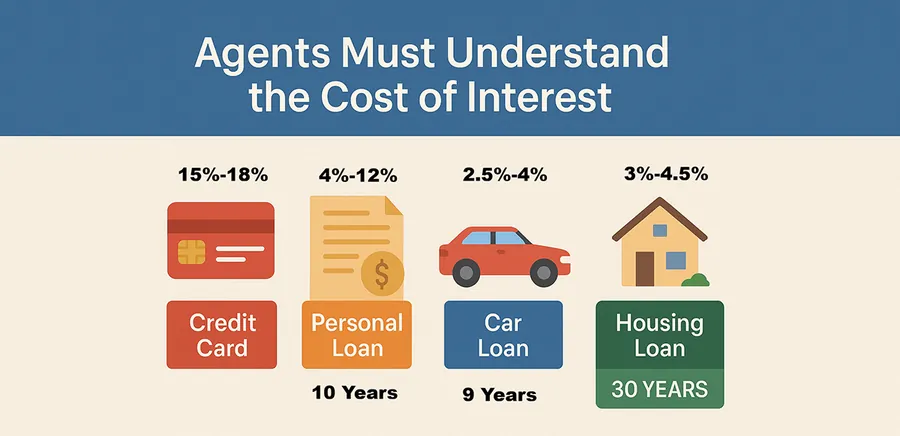
Next comes financing—one of the most underestimated parts of an agent’s work.
You assist buyers in preparing documents, coordinate with loan agents, and follow up relentlessly with banks. You negotiate for the best loan structure, the lowest interest rate, and the most suitable package.
You chase documents that clients forget. You solve problems that are not yours—but become yours anyway.
Only when financing is secured do the contracts get signed: loan agreements, Sale and Purchase Agreements (SPA)—multiple documents, multiple appointments.
At this point, only half the job is done.
For project purchases, the work does not end with signing. In many cases, the real responsibility stretches two to three years.
You walk the journey with your client as the property slowly rises from bare land. You:
Your role becomes simple to describe—but exhausting to execute: You make sure nothing goes wrong.
When the building is finally completed, clients believe the journey is over. For agents, it is not.
You:
This defect-liability phase alone can last up to 24 months. The goal is not the transaction. The goal is peace of mind.
Even after handover, there is still title transfer, legal follow-ups, and administrative closure. Only when all of this is truly finished can the transaction be closed.
This question comes up often. The answer is simple: The difference is in the details.
Agents:
This is not a cold, formal process handled by official letters. It is a warm, human service—one that reduces stress during one of life’s biggest financial decisions.
After seeing the full picture, ask yourself honestly: Is this commission “easy money”?
Or is it payment for:
Here is the irony. Clients do not pay agents directly for this service. There is no invoice.
Yet behind that “free service” lies years of experience, patience, and commitment.
So next time someone says: “An agent’s life is super easy.”
You will know the truth. It only looks easy—because someone else is carrying the weight quietly.

Founder of ListingMine and author of Agent for Life. Building ERP for Malaysian real estate agencies since 2008 — and writing to reshape how agencies grow.
More about Marvin Foong →More articles in this topic
This article is one of the sources behind this assessment. Take it to see what you already know and what to read next.
Educational self-assessment. Not a licensing examination or professional certification.