Malaysian property agents have anti-money laundering responsibilities as part of their professional duties. AMLA compliance is a serious obligation, not just administrative paperwork.
Since 2020, property agents have been legally mandated gatekeepers against financial crime. Failing to comply isn't just bad practice—it risks your license, fines, and even jail time. Here’s what you must know.
Many agents see themselves as negotiators and marketers. Under Malaysian law, you are also a front-line enforcer against money laundering and terrorism financing. This isn't a metaphorical role—it's a legal designation with serious obligations.
The sector is inherently high-risk. Large transaction values, the potential for obscuring ownership, and the use of cash make it a prime channel for criminals to "launder" illicit funds by converting them into legitimate-looking real estate assets.
| Obligation | Key Action | Why It Matters |
|---|---|---|
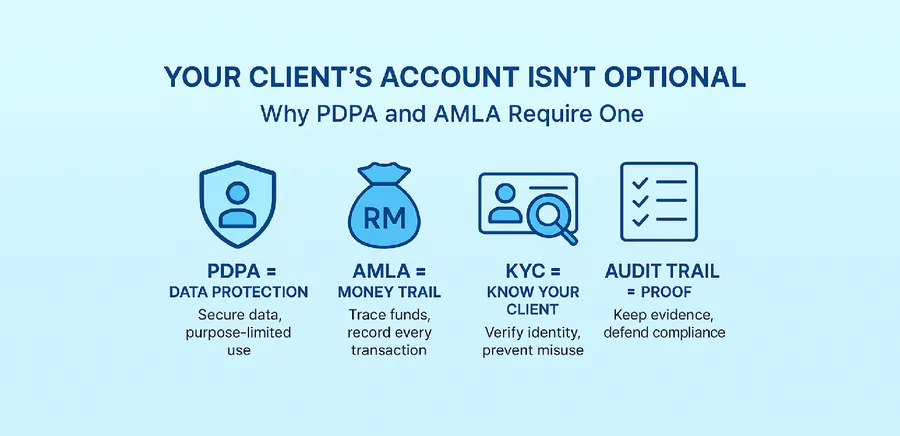
| Customer Due Diligence (CDD) | Verify ID, purpose, and source of funds | Prevents criminals from using you to legitimize illegal money |
| Record Keeping | Store all records for 6+ years | Provides an audit trail for authorities |
| Suspicious Transaction Report (STR) | File an STR with BNM FIED | Your legal duty to alert the financial intelligence unit |
| Ongoing Monitoring | Watch for red flags during the deal | Catches sophisticated schemes that initial CDD might miss |
AMLA compliance is not a bureaucratic box-ticking exercise. It is a fundamental part of being a professional, trustworthy agent in Malaysia. It protects:
Your Role Has Evolved. You are no longer just a salesperson; you are a guardian of financial integrity.
Disclaimer: This article provides a general overview for educational purposes and does not constitute legal advice. Agents should consult with their agency's compliance officer or a legal professional to ensure full adherence to AMLA regulations.

Founder of ListingMine and author of Agent for Life. Building ERP for Malaysian real estate agencies since 2008 — and writing to reshape how agencies grow.
More about Marvin Foong →More articles in this topic
This article is one of the sources behind this assessment. Take it to see what you already know and what to read next.
Educational self-assessment. Not a licensing examination or professional certification.