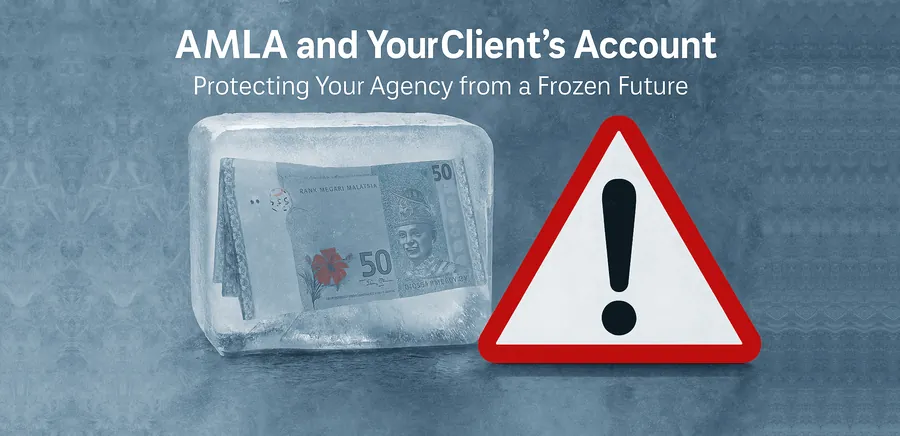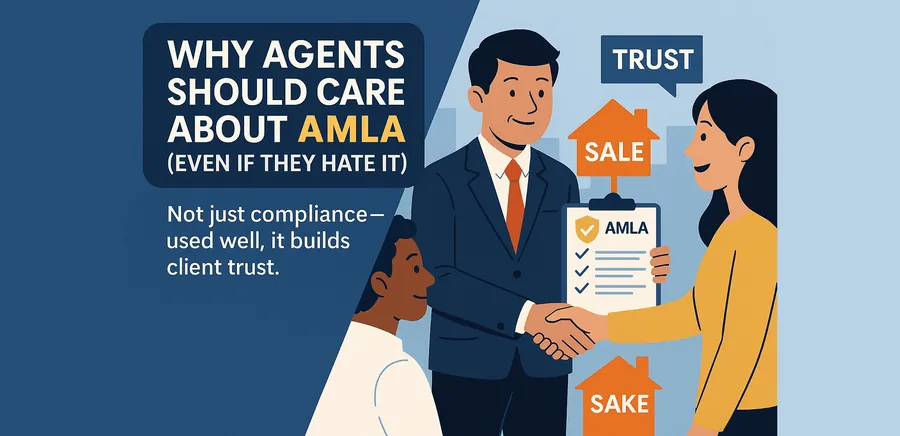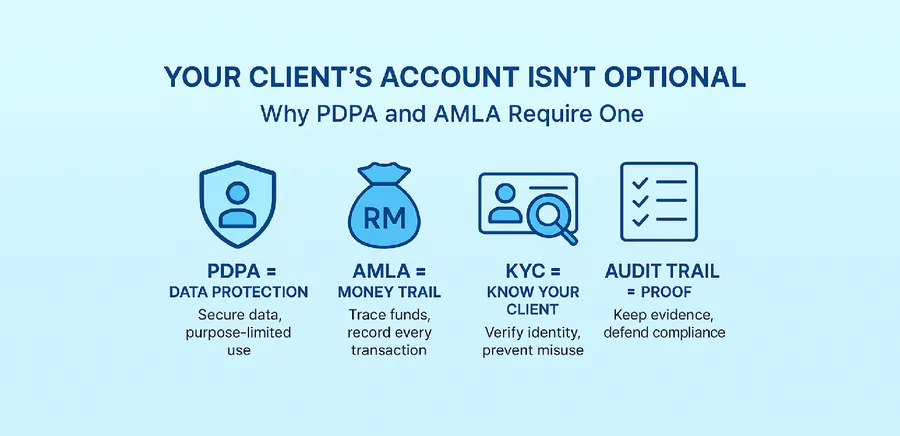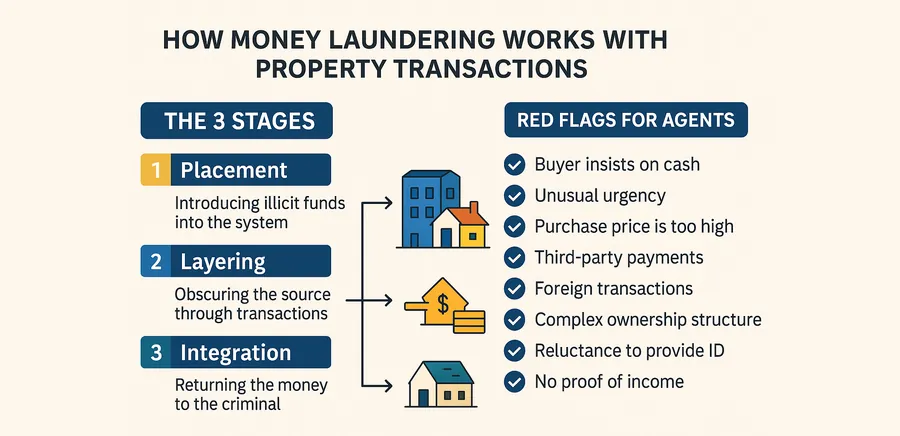
AMLA audits can expose weak documentation, poor screening, and careless transaction monitoring. Agency bosses need systems and procedures before regulators ask questions.
Most Malaysian property agency bosses don’t lose sleep over sales. They lose sleep over cash flow, recruitment, and the occasional BOVAEP inspection. But there’s another risk that creeps quietly in the background — one that few talk about until it hits: an AMLA audit.
The Anti-Money Laundering, Anti-Terrorism Financing and Proceeds of Unlawful Activities Act 2001 (AMLA) is not just for banks. Property agencies are designated reporting institutions. That means your agency is on the radar for suspicious transactions, cash-heavy deals, and client backgrounds. And when Bank Negara Malaysia (BNM) or other authorities decide to check, the consequences of being unprepared are far harsher than a slap on the wrist.
Unlike BOVAEP audits (which focus on professional compliance), AMLA audits are about criminal liability.
In short: you don’t want to learn about AMLA by receiving a notice of audit.
You don’t have to be laundering money to get audited. Common triggers include:
Most agencies fail AMLA audits not because of crime, but because of compliance neglect:
When auditors arrive, they don’t just ask “Are you clean?” They want to see:
If you can’t produce these on the spot, you’re already exposed.
BOVAEP suspensions hurt, but AMLA failures destroy. A single missed report or poorly documented transaction can spiral into fines, blacklisting, or worse — criminal cases.
The agencies that survive aren’t the ones with the flashiest recruitment or the most listings. They’re the ones with compliance built into their DNA.
👉 Bosses: Don’t wait for the knock on the door. Audit your own AMLA processes now, before the regulators do it for you.

Founder of ListingMine and author of Agent for Life. Building ERP for Malaysian real estate agencies since 2008 — and writing to reshape how agencies grow.
More about Marvin Foong →More articles in this topic
This article is one of the sources behind this assessment. Take it to see what you already know and what to read next.
Educational self-assessment. Not a licensing examination or professional certification.