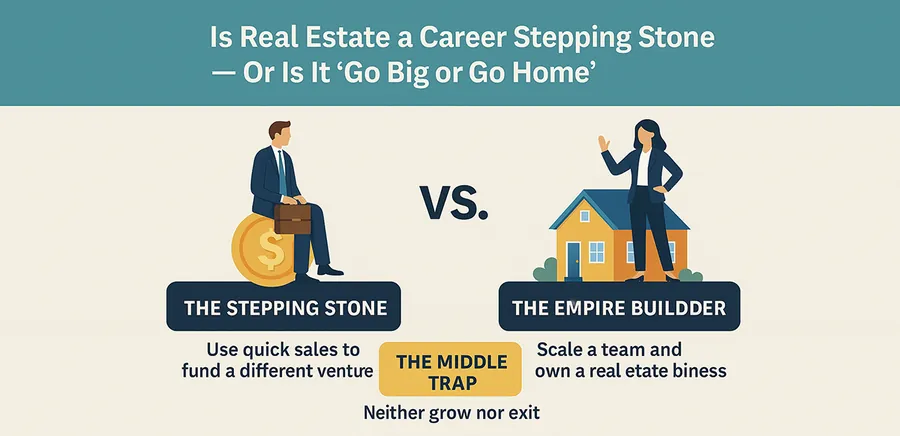
Selling houses creates income, but owning a career requires assets, data, reputation, and repeatable systems. Agents need more than one-off deals.
In the corporate world, a degree is the key that unlocks the door. In real estate, the door is wide open—but what lies beyond it depends entirely on what you bring through.
Walk into any sales gallery in Malaysia and you'll witness the industry's great paradox: A 22-year-old school leaver closing deals from a cafe, driving a Mercedes. A 30-year-old MBA graduate grinding through paperwork, driving a Proton.
It creates a seductive, dangerous myth: "In sales, education is irrelevant. Only hunger matters."
But that is only half the story. While the commission slip doesn't ask for your certificate, your career ceiling absolutely does.
Here's the real, unvarnished breakdown of when paper matters—and when it doesn't.
Malaysia's upper-tier market—expats, MNCs, international investors, corporate clients—operates in English. Degree holders who've spent years writing reports, presenting, and debating don't just speak better English; they think in structured arguments. This isn't about vocabulary. It's about professional credibility in high-stakes negotiations where a poorly worded clause can cost thousands.
The untrained agent relies on hearsay, brochures, and their leader's word. The graduate is conditioned to:
This creates trust that transcends personality—it becomes technical authority.
Formatting proposals, designing decks, managing CRM data—these aren't "skills" to graduates; they are subconscious competencies. In the modern era, tech literacy isn't an advantage; it is the baseline for scalability.
Verdict: In premium and corporate segments, degree holders begin with an unfair cognitive advantage—not because they're smarter, but because they're already systematic.
This is where the conversation turns from earnings to ownership.
Non-degree agents = REN. They can sell, but they cannot:
Property-degree holders can sit for the TPC and become REAs—the only pathway to true ownership in real estate. This isn't a marginal benefit. It's the difference between driving the bus and owning the fleet.
Only a Registered Valuer can sign:
A superstar salesperson can move a RM100 million asset. A Valuer legally certifies its worth. One trades properties. The other trades authority.
Verdict: If your ambition includes ownership, licensing, or valuation, a degree isn't optional—it's the law.
Many agents eventually seek stability, fixed income, or corporate roles in developers, banks, or funds. Here, the "paper ceiling" becomes tangible.
Corporate & Government Gatekeeping Positions like:
These roles automatically filter non-degree holders before a human ever sees the resume. Your closing record may be impeccable, but the system sees no credential, no interview.
Verdict: Sales experience opens conversations. A degree opens doors that are otherwise locked.
In the trenches of residential sales and leasing:
A degree cannot teach:
Many of Malaysia's top producers never finished college—because they had no Plan B. Their survival instinct became their ultimate education.
Objective: Maximize commission.
Players: Closers, hustlers, individual contributors.
Winning: Top producer boards, luxury cars, immediate cash flow.
Ceiling: Your own energy, time, and market cycles.
Objective: Build equity and authority.
Players: Agency owners, licensed professionals, corporate leaders.
Winning: Business valuation, recurring revenue, industry influence.
Floor: Legal qualification, systemic advantage, long-term equity.
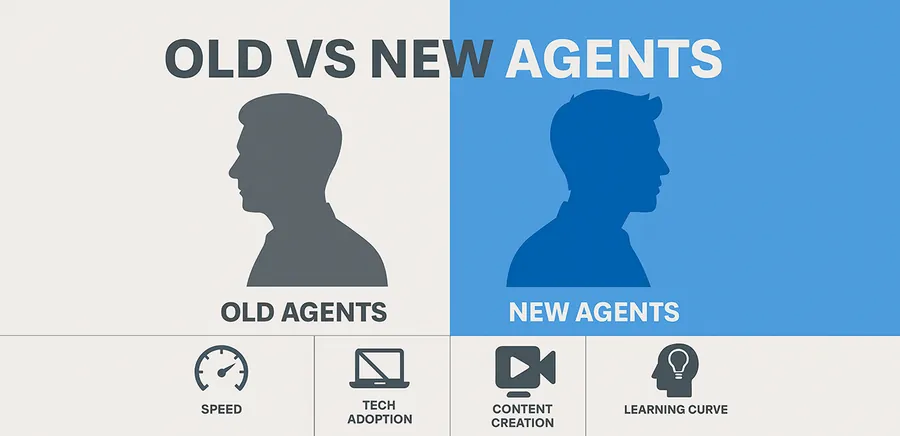
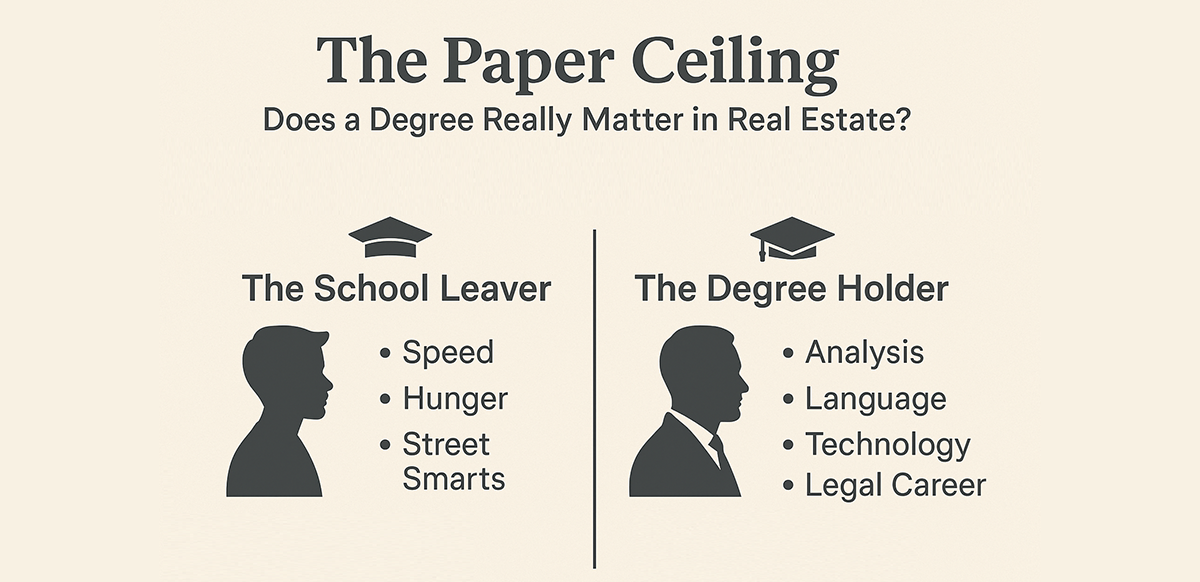
The School Leaver's Arsenal: Hunger, street intelligence, relatability, and armor-plated resilience. This builds top closers.
The Graduate's Toolkit: Language, research, credentials, and systems. This builds industry architects.
So—does a degree matter in real estate? The real question is: What are you trying to build?
A lucrative income? Then your results are your only diploma.
A lasting legacy? Then your credentials are your foundation.
Because in the end, you can either sell properties—or you can shape the industry that sells them. One requires grit. The other requires paper and grit.
Choose your game accordingly. The market rewards both—but never equally.

Founder of ListingMine and author of Agent for Life. Building ERP for Malaysian real estate agencies since 2008 — and writing to reshape how agencies grow.
More about Marvin Foong →More articles in this topic
This article is one of the sources behind these assessments. Take one to see what you already know and what to read next.
Educational self-assessment. Not a licensing examination or professional certification.