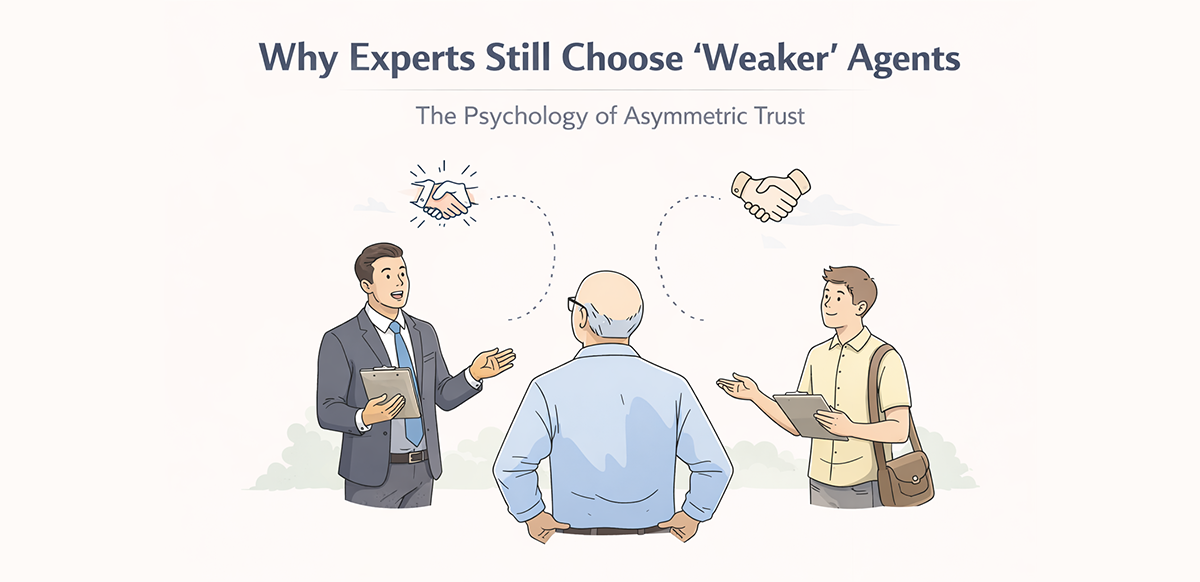
Experts may choose agents who seem weaker technically but safer emotionally or relationally. Trust often depends on perceived loyalty, humility, and low betrayal risk.
At first glance, it makes no sense. If someone is already an expert in property—someone who knows the law, understands valuation, and spots bad deals instantly—why would they choose an agent who is less experienced, less aggressive, or less “impressive” on paper?
Shouldn’t experts prefer the "strongest" operators? Yet in real markets, especially broken ones, the opposite happens more often than people admit.
Experts routinely choose agents who appear “weaker.” Not because they are naïve, but because they are strategic.
Experts don’t hire agents because they lack knowledge. They already know how transactions fail, where money leaks, and how incentives distort behavior under pressure.
What experts lack is not Capability; what they lack is Visibility into Intent.
Intent is the hardest variable to verify, and in a high-stakes transaction, intent—not skill—is the primary risk factor.
An expert buyer has the resources to self-protect technically. They can:
They can supply the competence. What they cannot supply is your internal motive.
A highly skilled agent with misaligned incentives is a dangerous liability. A less skilled agent with aligned intent is a manageable asset.
The Expert’s Logic: “I can carry the complexity. I cannot carry the risk of being exploited.”
Highly polished, aggressive agents often fail with experts because their "competence" looks like Pressure Architecture.
When a “strong” agent pushes too hard, the expert pulls away—not because the agent is wrong, but because the agent feels unsafe.
In this relationship, the trust is unequal but intentional. The expert takes on the technical burden and the structural risk, while the agent is trusted with the most valuable asset: Honesty.
A “weaker” agent feels safer because they:
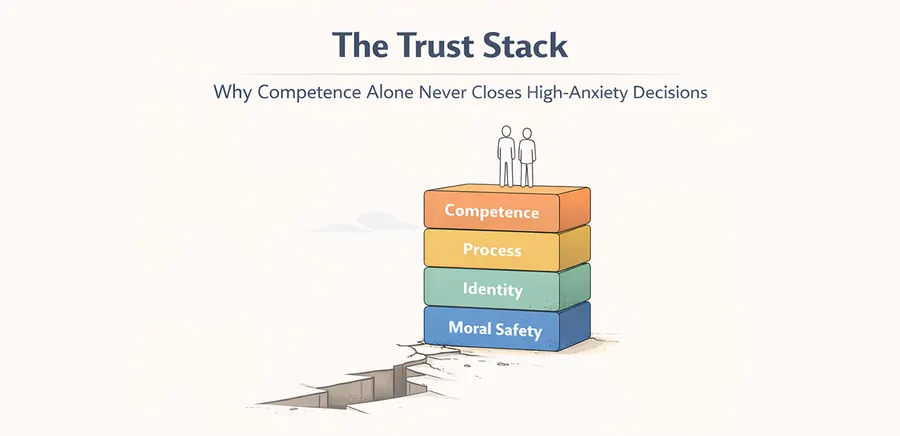
To an expert, predictability of intent is worth more than brilliance.
This is why younger or less-established agents often win high-net-worth clients. They are not competing on dominance; they are competing on Moral Clarity.
Because they don't yet have a massive reputation to defend or a rigid ego to perform, they tend to be more transparent.
Experts notice this. They aren't choosing incompetence; they are choosing a person who won't "cheat" while the expert plays the game.
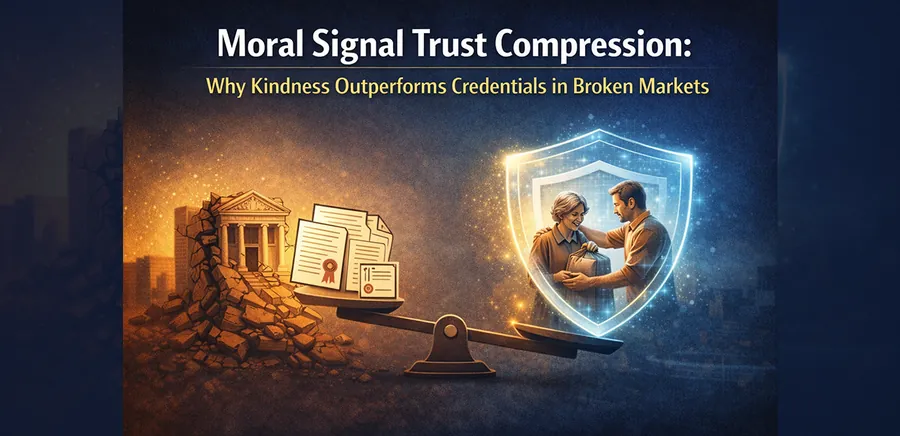
Trust is not about believing someone is brilliant; it is about believing someone will not betray you.
Novices look for strength.
Experts look for safety.
In the world of asymmetric trust, capability can be borrowed, but intent cannot.
Understanding this psychology is the quiet advantage that separates durable, high-trust professionals from flashy, short-lived ones.

Founder of ListingMine and author of Agent for Life. Building ERP for Malaysian real estate agencies since 2008 — and writing to reshape how agencies grow.
More about Marvin Foong →More articles in this topic