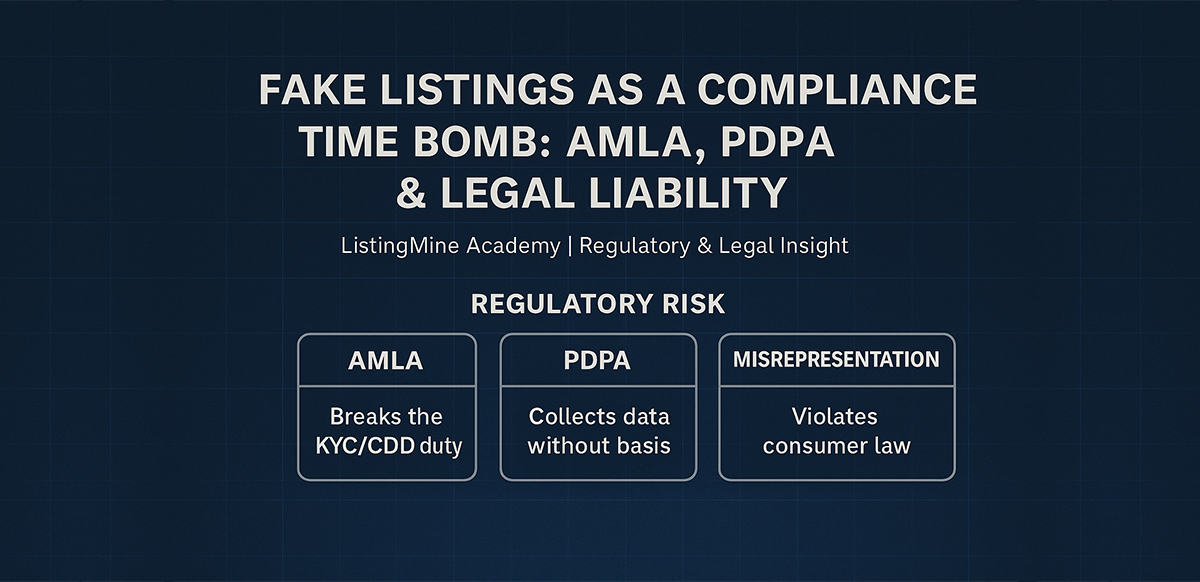
Fake listings can create legal, PDPA, AMLA, and reputational exposure. Agencies need verification and data controls to reduce compliance risk.
ListingMine Academy | Regulatory Risk & Compliance Insight
Why inaccurate property listings are no longer a marketing issue — they are a mounting regulatory threat with real financial and criminal consequences.
Fake listings are often treated as a “lead generation trick.” In reality, they expose agencies to simultaneous violations across multiple regulatory regimes:
AMLA (Anti–Money Laundering Act)
PDPA (Personal Data Protection Act)
Misrepresentation & Consumer Protection laws
Contractual liability under the tort of deceit or negligence
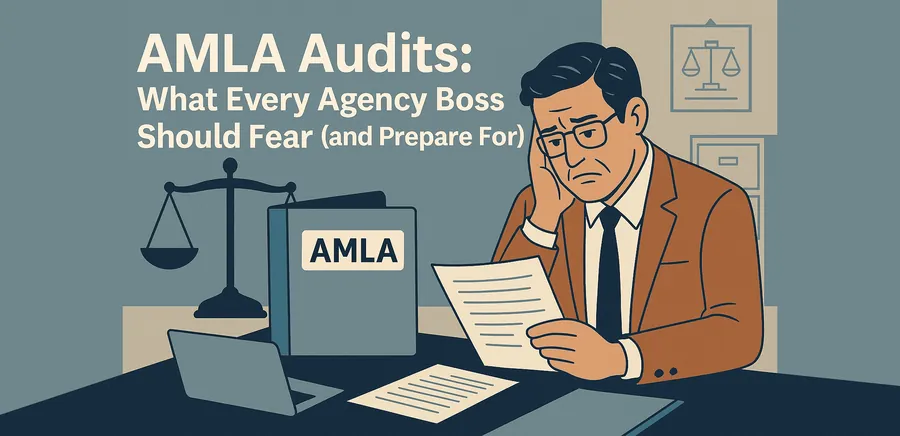
This is not a branding problem. It is a compliance time bomb hidden inside the industry.
Fake listings often involve:
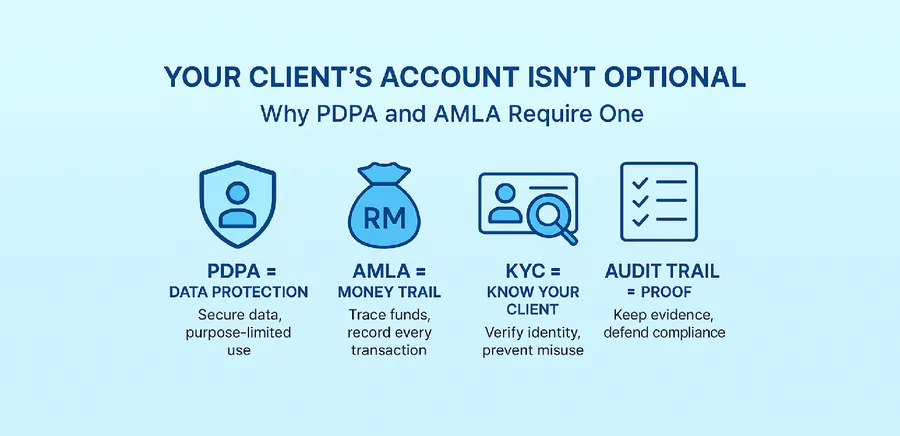
This creates a direct breach of AMLA’s foundational requirements:
A. KYC / CDD Becomes Impossible
You cannot perform Know Your Client (KYC) or Customer Due Diligence (CDD) on a seller who does not exist.
“You cannot perform CDD on a phantom seller.”
Every AMLA-compliant transaction begins with identity verification. Fake listings sabotage the process before it even starts.
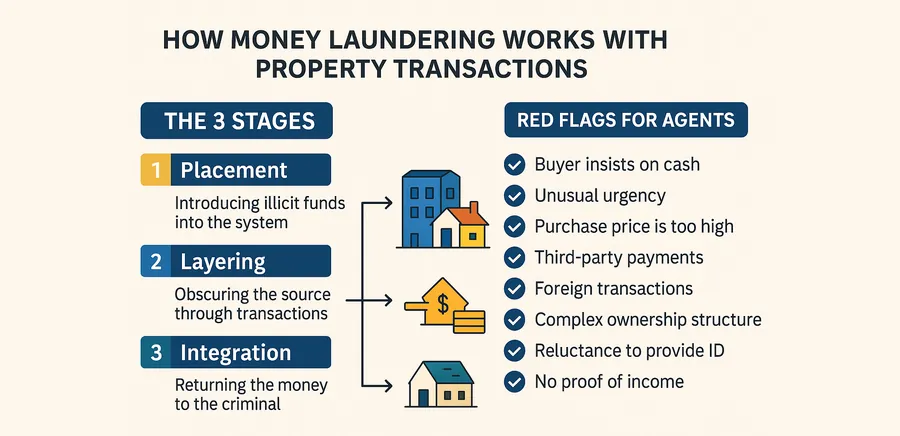
B. Exposure to Money Laundering Risks
Criminals exploit industries with weak verification.
Unverified listings → unverifiable ownership → high-risk transaction pathways.
C. Audit Failure Waiting to Happen
If BNM conducts an audit and discovers systemic reliance on unverified listings, the agency faces:
AMLA non-compliance is not a small problem — it is existential.
Agents often upload:
This triggers PDPA violations.
A. No Lawful Basis for Processing
Under PDPA’s Principle 1 (General Principle), personal data must not be collected or processed without consent or a valid legal basis. Using someone’s property information without authorization breaches this principle instantly.
B. Unauthorized Disclosure
Even if the listing is partially real, publishing details without written consent violates PDPA’s Disclosure Principle. Agencies exposing themselves to PDPA enforcement may face:
The reputational cost alone can hurt recruitment and enterprise clients.
Fake listings constitute misrepresentation — legally actionable under tort and contract law.
A. Civil Claims
Buyers misled by fake information can claim:
B. Regulatory Enforcement Beyond Courts
This doesn’t stop at BOVAEP or courts. KPDNHEP (Ministry of Domestic Trade & Consumer Affairs) can take action under consumer protection laws for misleading advertising.
C. Criminal Exposure
If the conduct appears intentional — e.g., bait-and-switch — it may cross into criminal territory. Fake listings are not harmless marketing tricks. They are evidence.
Globally, financial and real estate sectors are aligning with FATF (Financial Action Task Force) standards. Malaysia is moving toward stricter transparency, traceability, and verification requirements. Every year, tolerance for opaque practices shrinks. Soon:
Fake listings will become legally indefensible.
Verification isn’t about branding — it’s about survival.
A Verified Listing System protects agencies by:
A. Ensuring AMLA Compliance
Identity, ownership, and authorization are established upfront.
B. Meeting PDPA Requirements
Consent is clear, recorded, time-stamped.
C. Eliminating Misrepresentation Risk
You cannot misrepresent verified truth.
D. Reducing Regulatory Exposure
A structured verification process becomes a defensible compliance framework.
Fake listings are not a marketing issue. They are a regulatory threat spreading across AMLA, PDPA, and consumer protection laws. As Malaysia aligns with global transparency standards, the space for unverifiable data is collapsing.
The compliance time bomb ticks louder each year. Defusing it starts with verified truth.

Founder of ListingMine and author of Agent for Life. Building ERP for Malaysian real estate agencies since 2008 — and writing to reshape how agencies grow.
More about Marvin Foong →More articles in this topic
This article is one of the sources behind this assessment. Take it to see what you already know and what to read next.
Educational self-assessment. Not a licensing examination or professional certification.