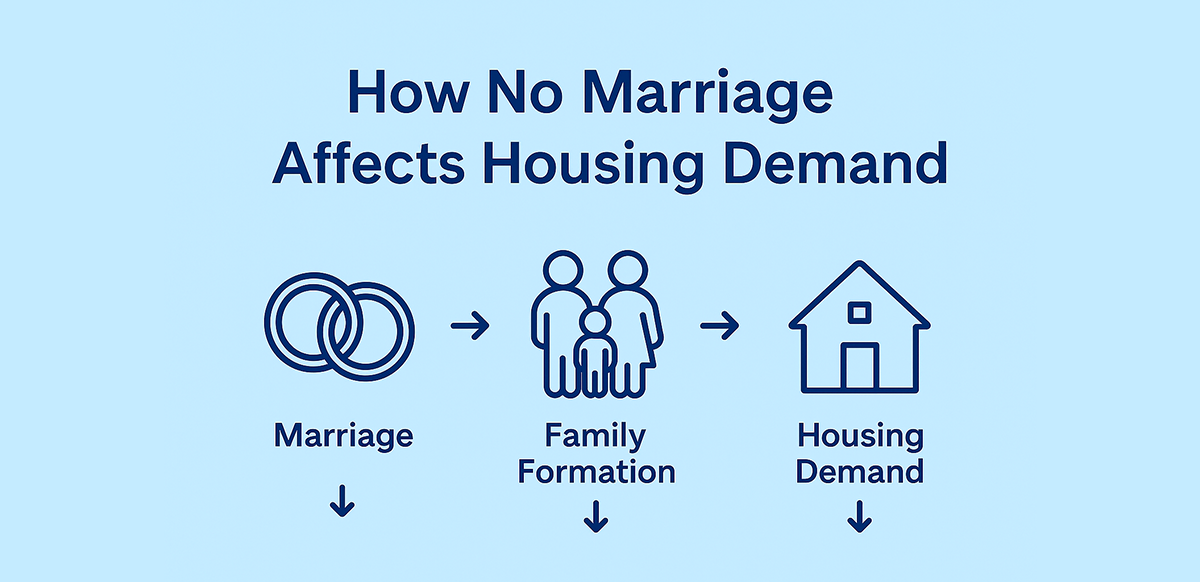
Marriage trends affect household formation, property demand, unit size, and buying urgency. Agents should track social change as part of market analysis.
For decades, housing demand was driven by a predictable life script:
Study → Work → Marry → Buy Home → Have Kids → Upgrade Home
But what if the next generation no longer follows that script?
The question is no longer just “Can young people afford property?”
It is becoming:
“Does a generation that delays or rejects marriage still need the kind of housing the market is built on?”
This is not a theory — it is a demographic shift already visible in Japan, South Korea, China, Singapore, Europe, and increasingly, Malaysia.
In most societies, new household formation came from marriage:
Two people leave their parents' homes
They merge income and buy their first property
They upgrade when children arrive
They eventually move into a larger, longer-term home
If marriage slows or stops, the automatic demand trigger for housing disappears.
Housing demand becomes discretionary, not guaranteed.
This issue is not simply “men can’t afford marriage” or “women are too demanding.” The traditional logic of marriage has broken down for both genders — economically, socially, and culturally.
Income growth has not kept up with the cost of housing, childcare, food, and education. Young adults are asking:
“If I cannot afford a stable future, why commit to marriage at all?”
In previous generations, marriage came first, home ownership later. Today, many treat property as a condition for marriage:
“If you do not own a home, you are not ready to marry.”
When home ownership becomes a filter, marriage rates fall in parallel with housing affordability.
A rising share of women now:
Marriage has shifted from economic necessity to optional lifestyle choice.
Both men and women are prioritizing:
By the time they reach “financial stability,” the traditional marriage window has passed.
Many young adults view marriage in risk-adjusted terms:
Marriage is no longer automatically seen as a life upgrade, but as a high-commitment, high-liability financial decision.
| Old Housing Assumption | New Housing Reality |
|---|---|
| Marriage triggers first home purchase | Housing is independent of marital status |
| 3-bedroom suburban units | Smaller, urban, flexible units |
| Buy → upgrade → retire | Rent, co-own, invest, stay mobile |
| House = family foundation | House = personal security or lifestyle asset |
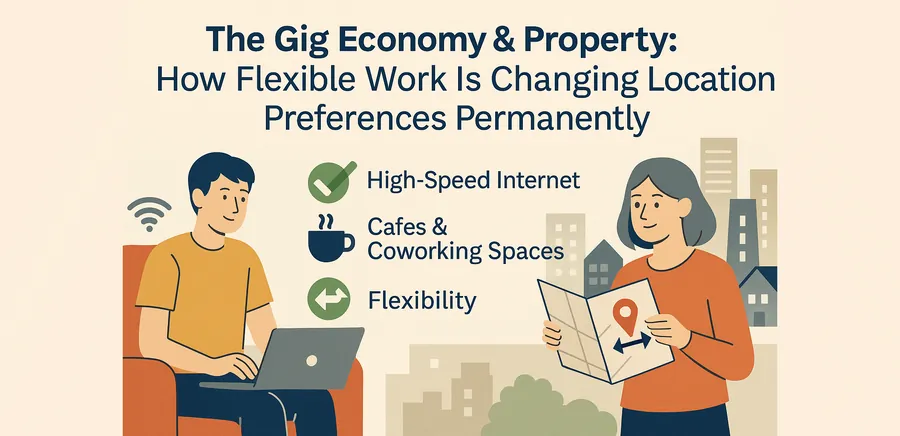
New household types are emerging:
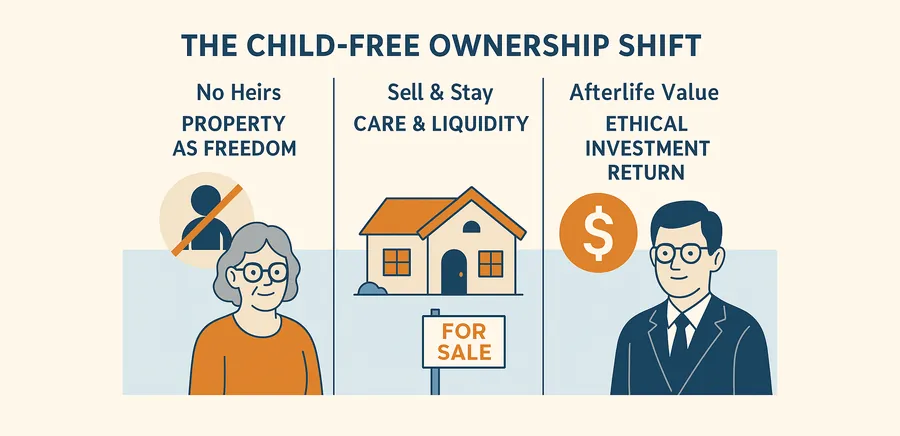
The “family home” may no longer be the dominant property category.
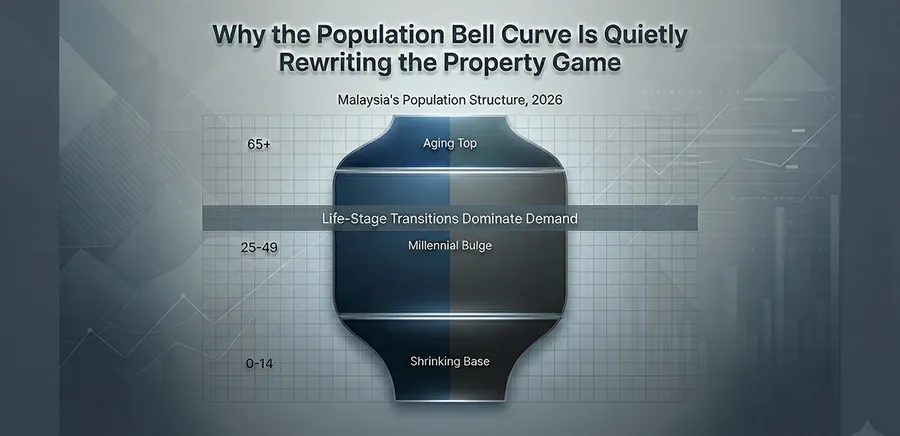
If marriage and birth rates continue to decline, the industry will experience shifts:
| Impact Area | Likely Outcome |
|---|---|
| Developer product focus | Smaller, flexible, lifestyle-based units |
| Suburban family housing | Slower take-up and rising vacancy |
| Interior layouts | More home offices, fewer nurseries |
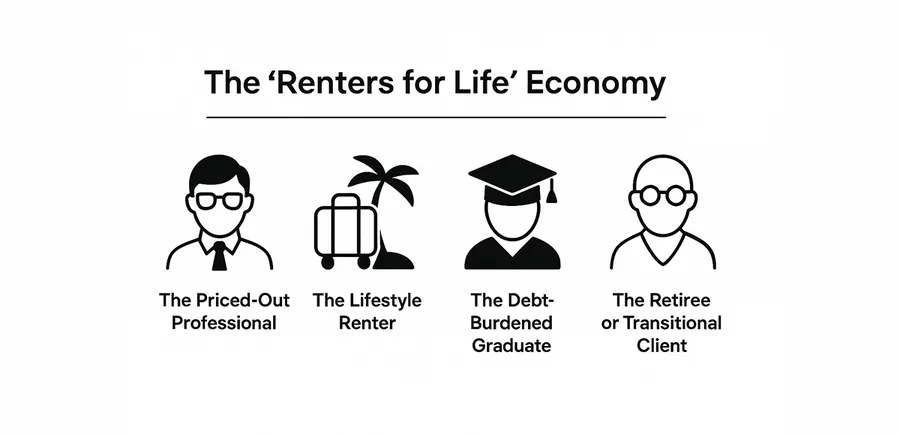
| Rental market | Higher demand from long-term singles and DINKs |
| Mortgage patterns | More single-name loans, fewer joint mortgages |
| Retail ecosystem | Decline in child-centric suburban retail |
| Build-to-Rent | Becomes more relevant as long-term renting normalizes |
The property market has long assumed one certainty:
There will always be new families, therefore there will always be new housing demand.
That assumption is no longer safe.
The biggest risk to future housing demand may not be interest rates, economic slowdown, or construction cost — but something cultural:
A generation that no longer sees marriage and home ownership as necessary life milestones.
The key question for the real estate industry is shifting:
Not:
“How do we make property affordable for young buyers?”
But:
“What happens to the housing market when the traditional purpose of owning a home disappears?”

Founder of ListingMine and author of Agent for Life. Building ERP for Malaysian real estate agencies since 2008 — and writing to reshape how agencies grow.
More about Marvin Foong →More articles in this topic