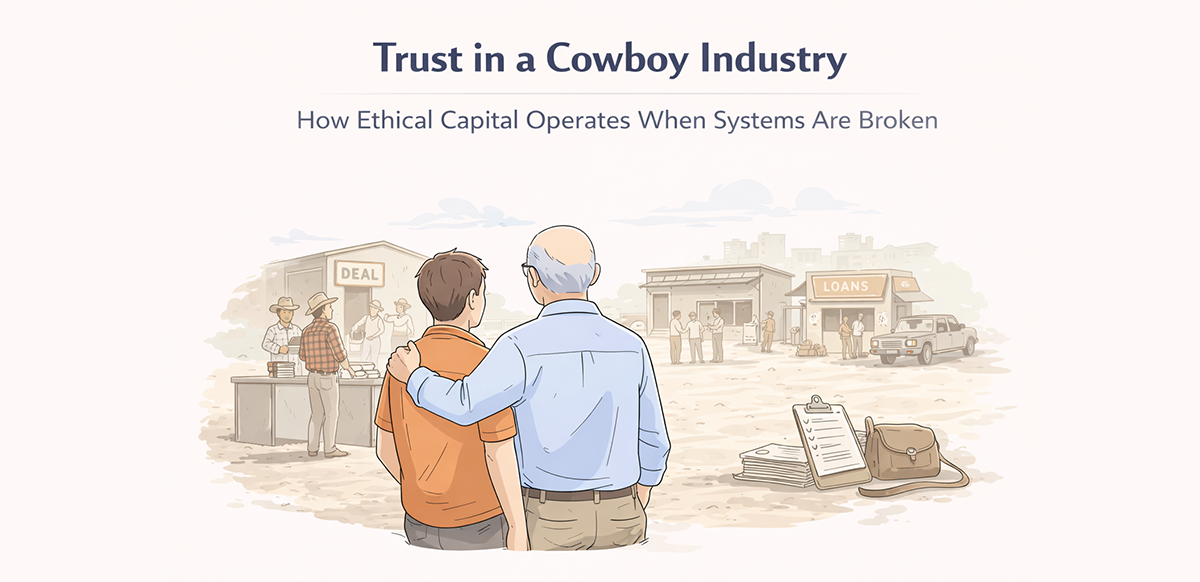
In a broken or informal market, ethical capital becomes a rare advantage. Agents who are trusted can win even when systems are weak because clients seek protection from chaos.
In a mature industry, trust is institutional. Rules are clear, standards are enforced, and bad behavior is punished quickly. In these environments, people don’t need to “read character” because the system does it for them.
But some industries—especially those in transition—operate in "Cowboy Conditions." These are markets defined by fragmented rules, uneven enforcement, and outcomes that depend more on who you know than what is written. In these environments, trust does not disappear—it mutates.
A cowboy industry is not lawless; it is under-institutionalized. Formal compliance becomes performative because the "paper rules" are not backed by consistent accountability.
Because participants cannot rely on protocol, they revert to primitive trust detection.
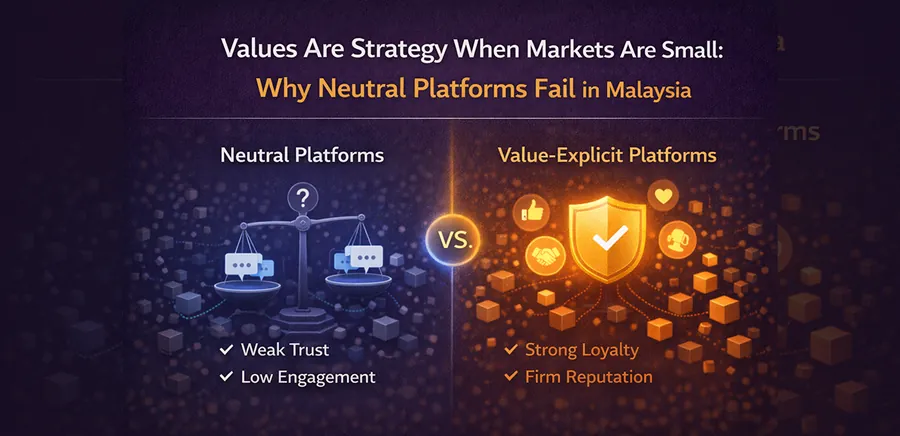
When systems fail to guarantee fairness, Ethical Capital steps in. This isn't just money chasing returns; it is money—and influence—used to stabilize the market.
Ethical capital manifests as:
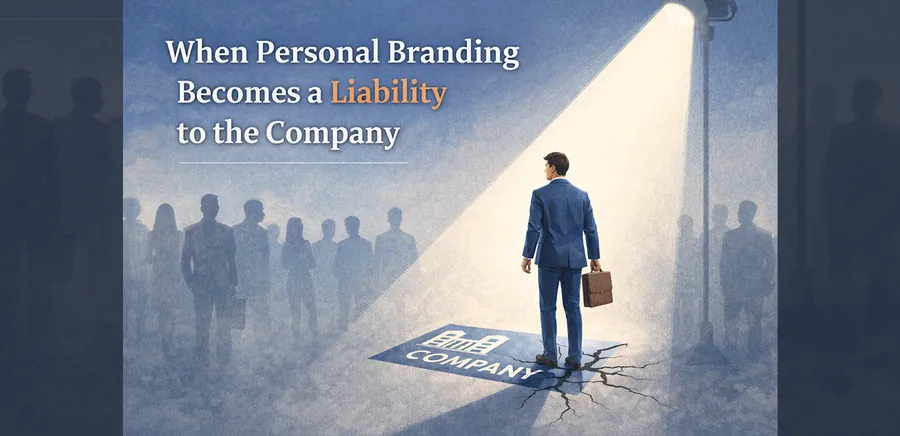
In broken systems, benevolence functions as a substitute for regulation. It creates Reputational Gravity. People behave better when they know a respected figure is watching—not because of the law, but because of the "social tax" of disappointing a steward.
These individuals become:
While ethical capital keeps cowboy industries functioning, it is inherently unstable. It creates a Protocol Vacuum.
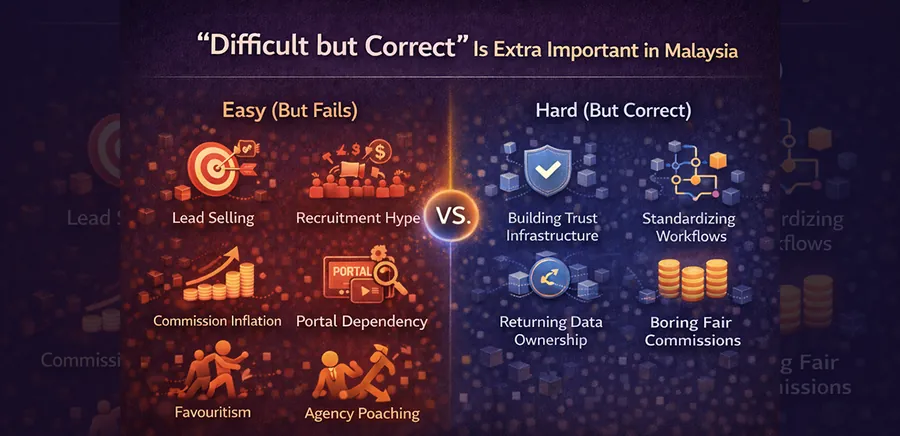
The presence of ethical capital is a symptom, not a permanent solution. It tells you that the system is not doing its job. The goal of your "Master Plan" must be the conversion of this moral behavior into Repeatable Process.
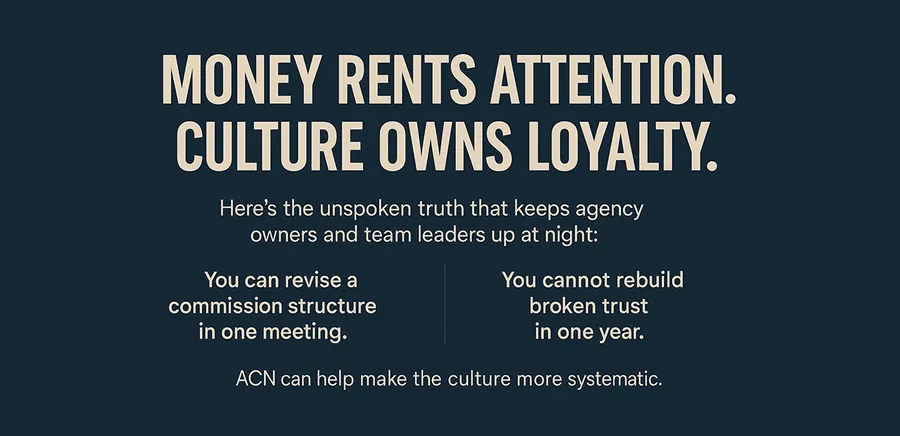
In broken systems, trust becomes personal and fragile. Ethical capital and stewardship are admirable, but they are temporary.
The moment a market no longer needs "heroes" to behave ethically—because the system makes it impossible to do otherwise—is the moment it finally becomes professional.
Until then, cowboy industries survive not on rules, but on the conscience of those willing to carry the weight.

Founder of ListingMine and author of Agent for Life. Building ERP for Malaysian real estate agencies since 2008 — and writing to reshape how agencies grow.
More about Marvin Foong →More articles in this topic
This article is one of the sources behind this assessment. Take it to see what you already know and what to read next.
Educational self-assessment. Not a licensing examination or professional certification.