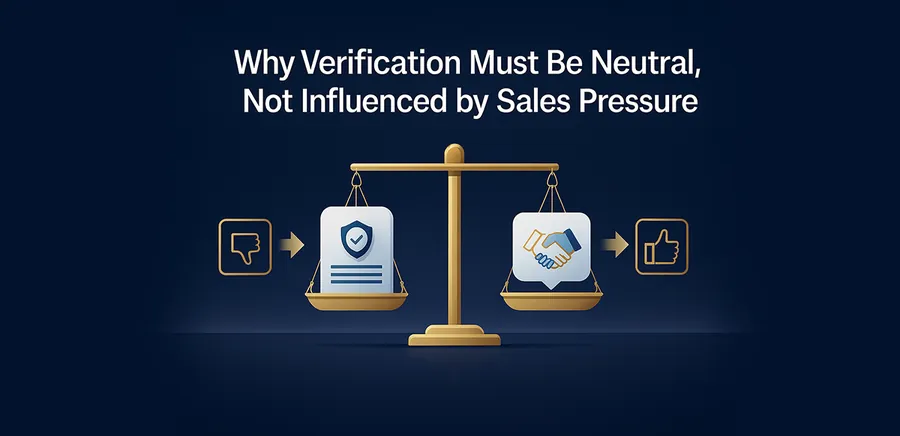
Verification should be seen as protection, not delay. Teams must understand that proper checks prevent wasted work, disputes, and reputation damage.
In traditional real estate culture, speed, excitement, and opportunity often drive behaviour more than structure, documentation, and governance.
So when a new verification role is introduced — especially within the Agent Cooperation Network (ACN) — it is common for some agents to misunderstand the purpose and assume that verification slows them down, blocks opportunity, or reduces momentum.
But that belief is incorrect.
Verification is not obstruction.
Verification is protection.
Protection is progress.
To scale sustainably, teams must evolve from “just do it fast” thinking to “do it right, once” thinking.
Agents may perceive verification negatively due to:
| Cause | Explanation |
|---|---|
| Past co-broking trauma | Many rely on hope or trust instead of paperwork |
| Urgency culture | “Faster is better” mindset from early agency training |
| Lack of transparency | No standard understanding of what is being checked |
| Visibility bias | Only see what is slowed, not what is prevented |
| Emotional attachment to effort | “I already worked so hard, just approve it!” |
The Verifier becomes the visible gate, but the invisible damage they prevent is often much larger.
Verification exists to ensure:
Verification is the insurance policy that protects everyone’s effort.
The cost of 1 wrong listing can exceed the cost of verifying 100 listings.
Without verification, teams may look busy, but are only accelerating towards failure.
| No Verification | With Verification |
|---|---|
| Fast start, slow ending | Slow start, fast ending |
| Assumptions, hope | Evidence, clarity |
| High dropout rate | High closing rate |
| Emotional turbulence | Professional confidence |
| Luck-based | System-based |
A respected ACN understands that:
Real speed is measured at closing, not at marketing.
Teams should replace statements like:
With:
A proper Verifier absorbs risk, catches flaws, asks tough questions, and sometimes says no — not to be difficult, but to protect the network, the closing, and future reputation.
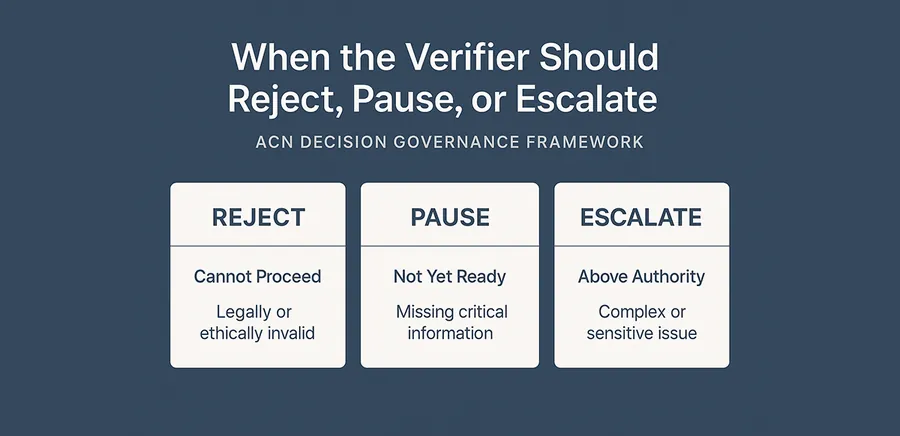
When a Verifier rejects, pauses, or requests more documents, it signals:
“Your opportunity is worth protecting — let’s make it real first.”
Inside ACN, the right teamwork sequence is:
If step 2 is skipped, steps 3–5 collapse.
Old identity:
“Agent = fast and aggressive”
Emerged identity:
“Professional = accurate, structured, and trusted”
Future identity under ACN:
“Closer = specialist in verified, winnable deals only”
Verification is not a wall — it is the guardrail that keeps the entire team on the road.
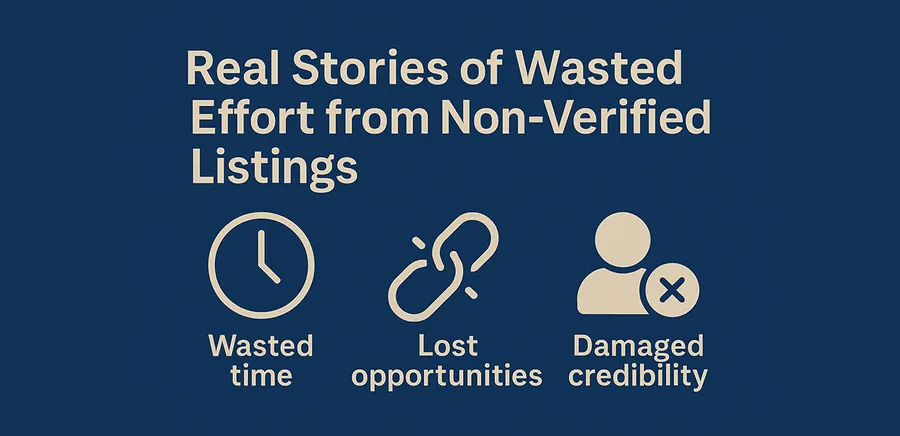
Without it, agents chase shadows, buyers feel cheated, and the brand loses credibility.
With it, teams work on real opportunities, close faster, and build permanent trust equity.
The question is no longer:
“How fast can we start?”
but
“How far can we go without crashing?”

Founder of ListingMine and author of Agent for Life. Building ERP for Malaysian real estate agencies since 2008 — and writing to reshape how agencies grow.
More about Marvin Foong →More articles in this topic
This article is one of the sources behind this assessment. Take it to see what you already know and what to read next.
Educational self-assessment. Not a licensing examination or professional certification.