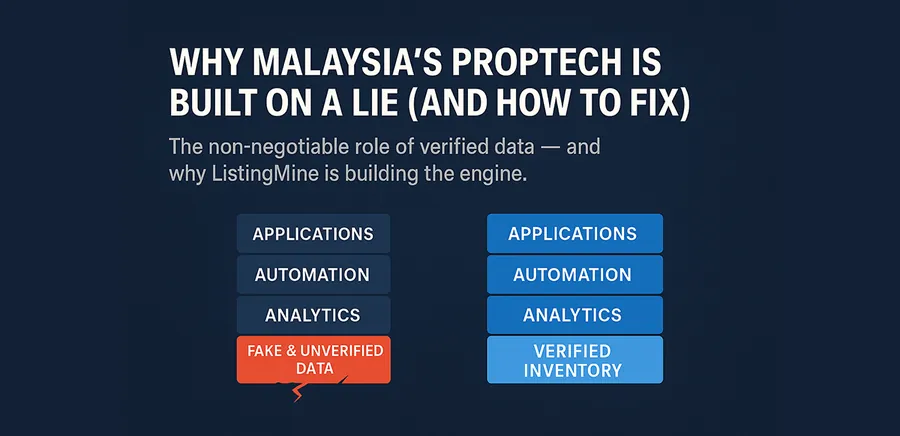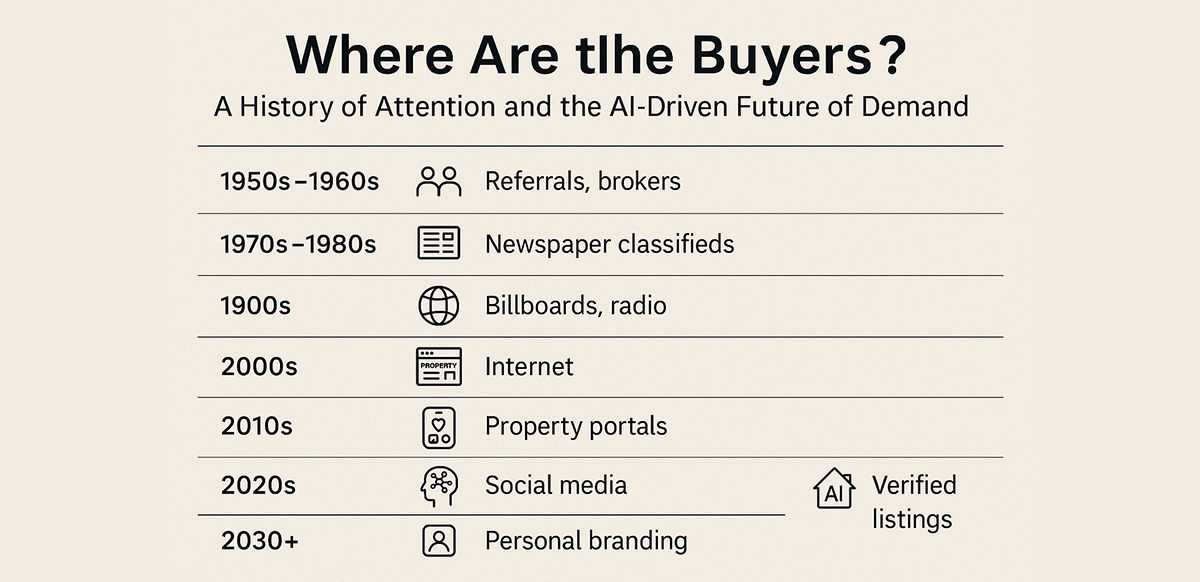
Buyer attention has moved across platforms over time and may now shift toward AI-driven discovery. Agents must understand where demand is forming before they can capture it.
“Where are the buyers?”
This question appears every downturn, every slow month, every tense management meeting. And every time, it assumes the same wrong thing: that buyers disappear.
They don’t. They move — following attention, trust, and discovery mechanics. To understand where buyers are going next, you must understand where they have already been.
1950s–1960s: Buyers Came From People
Property transactions were local and personal. Buyers came from:
There was no media. Trust was human. If someone vouched for you, that was the market.
1970s–1980s: Buyers Followed Print
Urbanisation weakened personal networks. Buyers moved to:
Attention became rentable. Whoever paid appeared credible.
1990s: Buyers Followed Exposure
Economic expansion rewarded scale. Buyers were influenced by:
Reach dominated. Trust became secondary.
Early 2000s: Buyers Learned to Search
The internet changed discovery. Buyers came from:
Buyers became active seekers, not passive viewers.
2010–2018: Buyers Centralised on Portals
Property portals consolidated demand. Buyers started here:
Agents stopped building audiences. They rented traffic instead. This worked — temporarily.
2019–2023: Buyers Followed Faces, Not Listings
Social platforms fractured portal dominance. Buyers increasingly came from:
Discovery became:
People trusted agents, not thumbnails.
2024–2025: Buyers Follow Credibility, Not Platforms
Today, buyers do not start with listings. They start with:
Personal branding is no longer marketing. It is infrastructure.
The next transition is structural, not cosmetic. Buyers will no longer say: “Let me browse listings.”
They will say:“Find me a house in Bangsar that meets these requirements.”
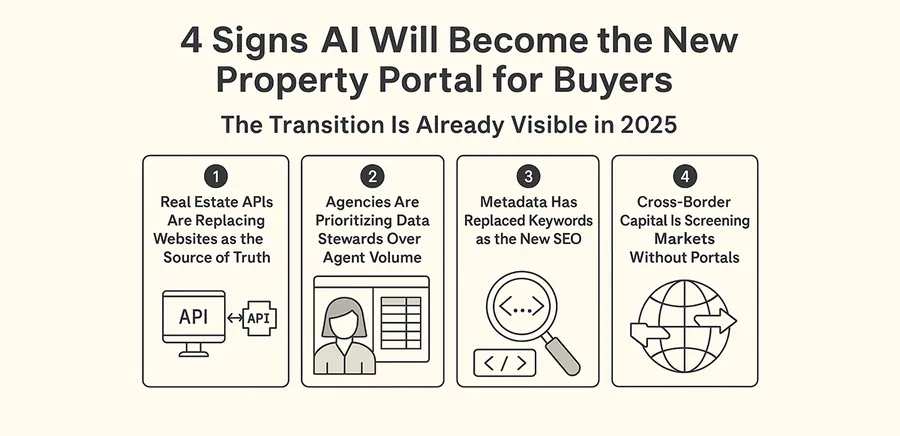
AI does not browse portals. It queries databases.
It prioritises:
It avoids:
Visibility will no longer be bought. It will be earned through data integrity.
In an AI-driven market:
This means:
Not because of branding — but because AI requires truth to function.
The emerging default flow:
Ask AI → AI queries verified listing databases → AI ranks suitability and risk → Buyer contacts surfaced agent
Notice what disappears:
Buyers no longer think locally.
They diversify across:
Property becomes portfolio allocation, not shelter. Agents who only understand local mechanics will feel demand “vanish.” Agents who understand global context will see demand expand.
Buyers are always:
In the past, that was: people → print → portals.
Next, it will be: AI systems referencing verified databases and surfacing agents who prepared their data, not their ads.
Buyers did not disappear. They stopped responding to:
They are moving toward:
Soon, they will move through machines trained to find truth. If you are still asking where the buyers are, it usually means you are standing where they no longer arrive.
In the future, buyers will not search for listings. They will ask for answers. And only agents and agencies who built trusted inventory will be found.

Founder of ListingMine and author of Agent for Life. Building ERP for Malaysian real estate agencies since 2008 — and writing to reshape how agencies grow.
More about Marvin Foong →More articles in this topic